
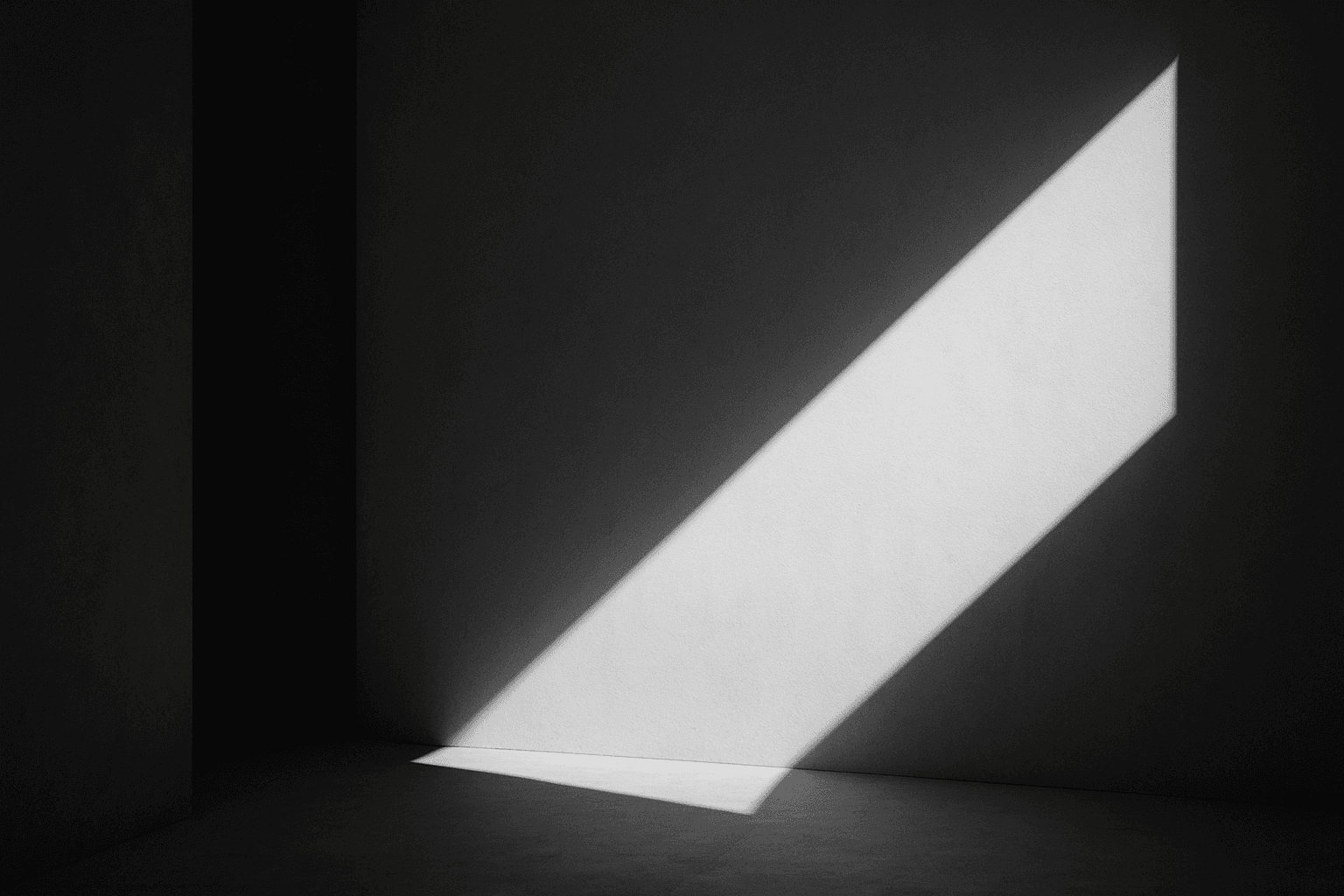
Minimalism continues to be one of the most enduring and influential design philosophies in modern architecture. At VERIAN Architecture, we've embraced minimalist principles not merely as an aesthetic choice, but as a fundamental approach to solving spatial and functional challenges. The philosophy of 'less is more' pioneered by Ludwig Mies van der Rohe remains as relevant today as it was in the mid-20th century.
The Core Principles of Minimalist Architecture
Minimalist architecture is characterized by several key elements that define its distinctive character. First and foremost is simplicity—the reduction of a building to its essential elements without unnecessary embellishments. This is closely followed by the intelligent use of space, where every square foot serves a purpose and nothing feels superfluous.
Materials play a crucial role, with an emphasis on quality over quantity. We often work with concrete, glass, wood, and steel in their honest forms, celebrating their inherent properties rather than concealing them. Natural light becomes an architectural element in itself, with careful consideration given to how it moves through spaces throughout the day.
Sustainability Through Simplicity
Beyond aesthetics, minimalist architecture aligns naturally with sustainable practices. By focusing on essential elements and eliminating excess, we create buildings that require fewer materials to construct and less energy to maintain. The emphasis on natural light reduces reliance on artificial lighting, while thoughtful spatial planning maximizes energy efficiency.
In Southern California's climate, minimalist design allows us to work with the environment rather than against it. Large windows and sliding glass walls enable natural ventilation, reducing the need for mechanical cooling systems. Carefully positioned overhangs provide shade during summer months while allowing warming sunlight to enter during winter.
The Psychological Benefits of Minimalist Spaces
There's growing evidence that minimalist environments positively impact mental wellbeing. Clutter-free spaces reduce visual distractions and the associated cognitive load. The result is an environment that promotes clarity of thought, reduces stress, and fosters a sense of calm.
Our clients frequently report feeling a sense of relief when they move into their new minimalist homes. The carefully curated spaces allow them to focus on what truly matters—family connections, creative pursuits, or simply being present in a beautifully designed space.
Minimalism's Enduring Relevance
As our world becomes increasingly complex and digitally saturated, the simplicity of minimalist architecture offers a necessary counterbalance. The clean lines and uncluttered spaces provide a refuge from visual noise and information overload.
Yet minimalism continues to evolve. Today's interpretation often incorporates warmer materials and textural elements that soften the potentially stark character of traditional minimalist spaces. The result is architecture that maintains conceptual purity while creating inviting, livable environments.
Conclusion
At VERIAN Architecture, we believe that minimalist design principles will continue to influence architecture for decades to come. By distilling buildings to their essence, we create spaces that are not only visually compelling but functionally superior and environmentally responsible. In a world of excess, there remains profound value in the art of reduction—finding the perfect balance where nothing can be added and nothing can be taken away.